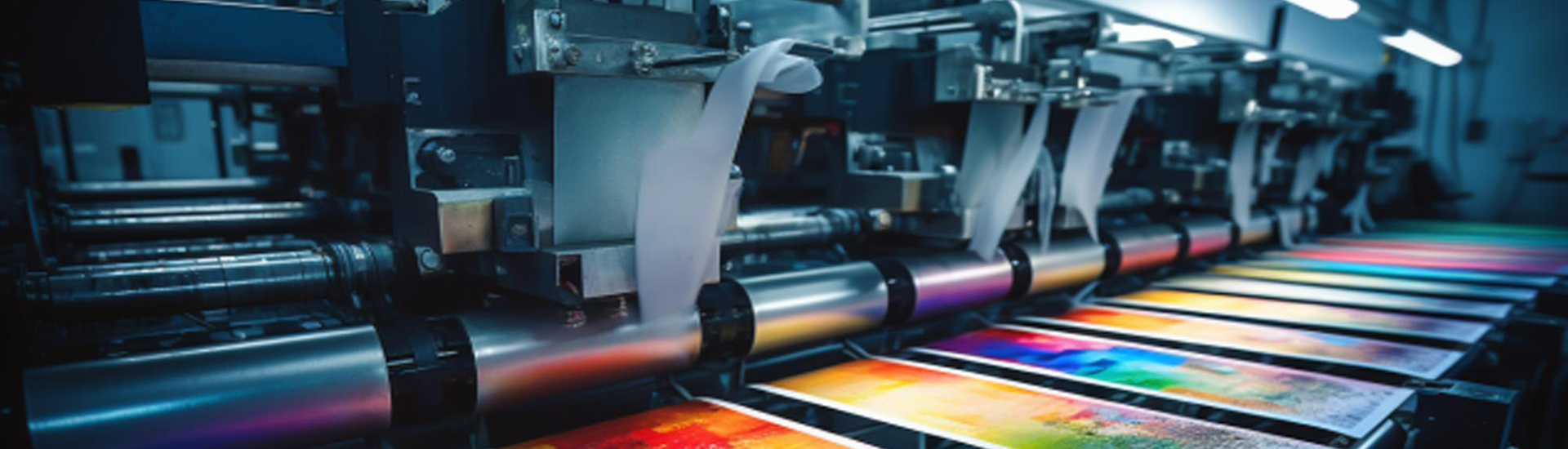
Digital Printing vs Offset Printing Differences and a Choice Guide
The two most commonly used methods in the printing world are digital printing and offset printing. Both techniques provide advantages depending on different needs, and the right choice directly affects the balance between print quality and cost. Criteria such as print quantity, delivery time, budget, and project type determine which method should be preferred.
While digital printing offers an ideal solution for fast production and low-volume jobs, offset printing stands out with its cost advantage and color consistency in high-volume runs. Therefore, it is important to understand the differences between the two methods before starting the printing process.
What Is Digital Printing?
Digital printing is a modern printing method carried out by sending the design file directly to the printing machine. Since it does not require plate preparation, it enables fast production.
Advantages of digital printing:
- Cost-effective solution for low-volume print jobs
- Fast production and short delivery times
- Personalized printing capability
- Easily revisable process
It is frequently preferred for jobs such as business cards, invitations, and short-term campaign materials.
What Is Offset Printing?
Offset printing is a traditional printing method performed using printing plates. The ink is first transferred to an intermediate cylinder and then to the paper. This method is especially suitable for large print runs.
Advantages of offset printing:
- Low unit cost in high quantities
- High color consistency
- Wide range of paper and printing surface options
- Professional results for corporate projects
It is an ideal choice for high-volume prints such as catalogs, magazines, and brochures.
Print Quality and Color Comparison
Although digital printing technology has advanced, offset printing provides more consistent results in terms of color stability in long print runs. For low-volume jobs, digital printing delivers high quality quickly.
Which Is More Cost-Effective?
- Low-volume prints → Digital printing is more suitable.
- High-volume prints → Offset printing provides a cost advantage.
For this reason, print quantity is one of the most important factors in the selection process.
Speed and Delivery Time Comparison
Digital printing is much faster since it does not require preparation time. Offset printing requires initial setup time but offers more efficient production for large quantities.
When Should Each Printing Method Be Preferred?
- Short-term campaigns and low-volume jobs → Digital printing
- Corporate, long-term, and high-volume projects → Offset printing
Choosing the right method optimizes both the budget and print quality.
Frequently Asked Questions (FAQ)
What is the biggest difference between digital printing and offset printing?
Digital printing does not require plates and is faster; offset printing is more economical for high quantities.
Which method delivers higher quality results?
Both offer high quality; in high-volume runs, offset printing provides more stable results.
Which printing method is suitable for low-volume jobs?
Digital printing is more advantageous for low-quantity jobs.
Which should be chosen for jobs requiring fast delivery?
Digital printing provides faster production times.
Which method is recommended for corporate projects?
Offset printing is preferred for high-volume corporate jobs.