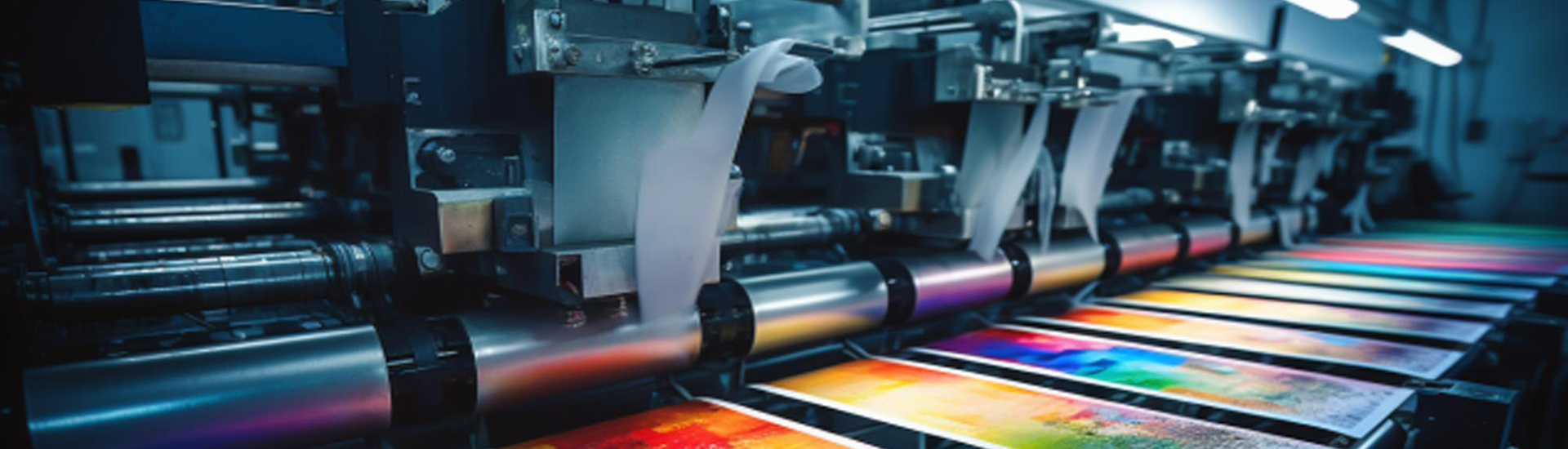
Comparison of Digital Offset Printing and Conventional Offset Printing Methods
In the printing industry, balancing quality, speed, and cost requires choosing the right printing method. At this point, the two most preferred methods are digital offset printing and conventional offset printing. Both techniques address different needs and provide advantages depending on factors such as print quantity, delivery time, and cost.
Conventional offset printing is a traditional method that has been used for many years and is especially preferred for high-volume print jobs. Digital offset printing, on the other hand, offers fast production and flexible solutions thanks to its plate-free process. Choosing the right method according to the need provides significant advantages in terms of both cost and quality.
What Is Conventional Offset Printing?
Conventional offset printing is a traditional printing method performed using printing plates. The ink is first transferred to a cylinder and then to the paper.
This method:
- Provides cost-effective solutions for high-volume print jobs
- Ensures color consistency
- Is frequently preferred for corporate printing projects
It is especially suitable for jobs that require large quantities, such as catalogs, brochures, and magazines.
What Is Digital Offset Printing?
Digital offset printing allows a digital file to be transferred directly to print without the need for printing plates.
Advantages of this method:
- Cost advantage for low-volume print jobs
- Fast production and short delivery times
- Possibility of personalized printing
- Easily editable structure
It is an ideal solution especially for urgent and low-quantity jobs.
Print Quality Comparison
Conventional offset printing is strong in terms of color stability and consistency for long print runs. Digital offset printing, thanks to modern technologies, also offers high quality and delivers highly successful results in short-run printing.
Cost and Print Quantity Comparison
- Digital offset is more economical for low-volume print jobs.
- Conventional offset reduces unit costs for high-volume printing.
Therefore, print quantity is one of the most important criteria when choosing a method.
Delivery Time and Flexibility
Digital offset printing offers fast delivery since it does not require preparation time. Conventional offset, while having a longer initial setup process, provides high efficiency in mass production.
Which Method Should Be Preferred for Which Project?
- Low-quantity business cards, invitations, quick prints → Digital offset
- High-quantity catalogs, brochures, corporate projects → Conventional offset
Choosing the right method improves print quality while optimizing costs.
Frequently Asked Questions (FAQ)
What is the main difference between digital offset and conventional offset printing?
Digital offset does not require plates and is faster; conventional offset is more economical for high-volume jobs.
Which method provides better print quality?
Both methods offer high quality, but conventional offset delivers more stable results in long print runs.
Which method is suitable for low-volume printing?
Digital offset printing is more advantageous for low-quantity jobs.
Which method should be chosen for jobs requiring fast delivery?
Digital offset printing provides faster production times.
Which method is recommended for large corporate print jobs?
Conventional offset printing is more suitable.